Fire and Water Damage Restoration, Nationwide
Drying and cleanup for the water left behind by fire hoses and sprinklers, handled together with the fire damage.
Call toll free now
Tell the operator your city, what happened and whether the fire department has cleared the building. You will be connected with a local provider that covers your area.
(833) 917-4160Fire damage? Call toll free now
- Give your city and ZIP code
- Say what happened and whether the fire is out
- Ask the company about its license and insurance
Quick answer
Putting out a fire often soaks the building. Water from hoses and sprinklers adds a second kind of damage on top of smoke and soot. Call (833) 917-4160 to reach a local company that can dry the structure while it handles the fire cleanup, so one problem does not turn into two.
Why fire damage often comes with water damage
Fire crews use large volumes of water, and sprinkler systems can soak entire floors. That water runs into floors, wall cavities, ceilings below the fire and basements. Because it has passed through burned and sooty material, it is often treated as contaminated rather than clean water. Drywall, insulation, carpet and wood flooring can hold moisture long after the surface looks dry.
What happens when both problems exist
- Water removal starts quickly so moisture does not spread further.
- Soot stays on surfaces, so wet cleaning is planned carefully to avoid smearing residue.
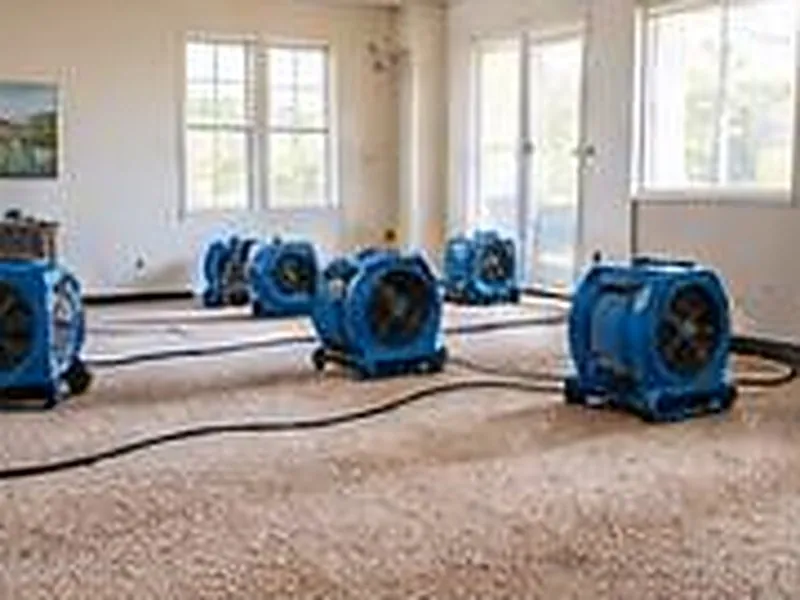
- Structural drying equipment such as air movers and dehumidifiers is placed after contaminated or burned materials are removed.
- Moisture readings confirm when materials are dry, not just how they feel.
- Materials that stayed wet and cannot be dried are removed to prevent mold.
The mold risk after a fire
The U.S. EPA states that mold can begin to grow on wet materials within 24 to 48 hours. Fire damaged buildings are often closed up, warm and damp, which is a good setting for growth. Fast drying and removal of wet insulation and drywall are the best ways to prevent it. If you see or smell mold after a fire, tell the restoration company so it can be assessed.
One company or two?
Many restoration companies handle fire, smoke and water at the same time, which avoids gaps between trades. Others bring in specialists for specific stages. Ask who will be responsible for the overall schedule and for the final dry and clean verification.
Insurance notes
Fire and the water used to fight it are usually treated as one covered loss under a standard homeowners policy, though coverage details differ. Tell your insurer that water damage came from firefighting efforts and keep moisture and drying records from the restoration company.
Find help in your state
Popular cities
Frequently asked questions
Is firefighting water damage covered?
Usually, water used to extinguish a covered fire is part of the same claim. Policies differ, so confirm with your insurer and ask the restoration company for drying logs and photos.
How long does drying take?
Many structures dry in several days, but heavily soaked buildings, thick materials and humid weather take longer. The company should use moisture readings to confirm dryness.
Can drywall that got wet in a fire be saved?
Sometimes, if it is dried quickly and was not heavily sooted or contaminated. Wet insulation and soaked drywall near the fire source are often removed.
Should I run fans myself?
Avoid running your own fans or HVAC until the property has been assessed. Moving air can spread soot through the building.
Need this service now?
Call toll free to be connected with an independent local company.